Kaland Art
Where movement, play and participation meet in contemporary art.
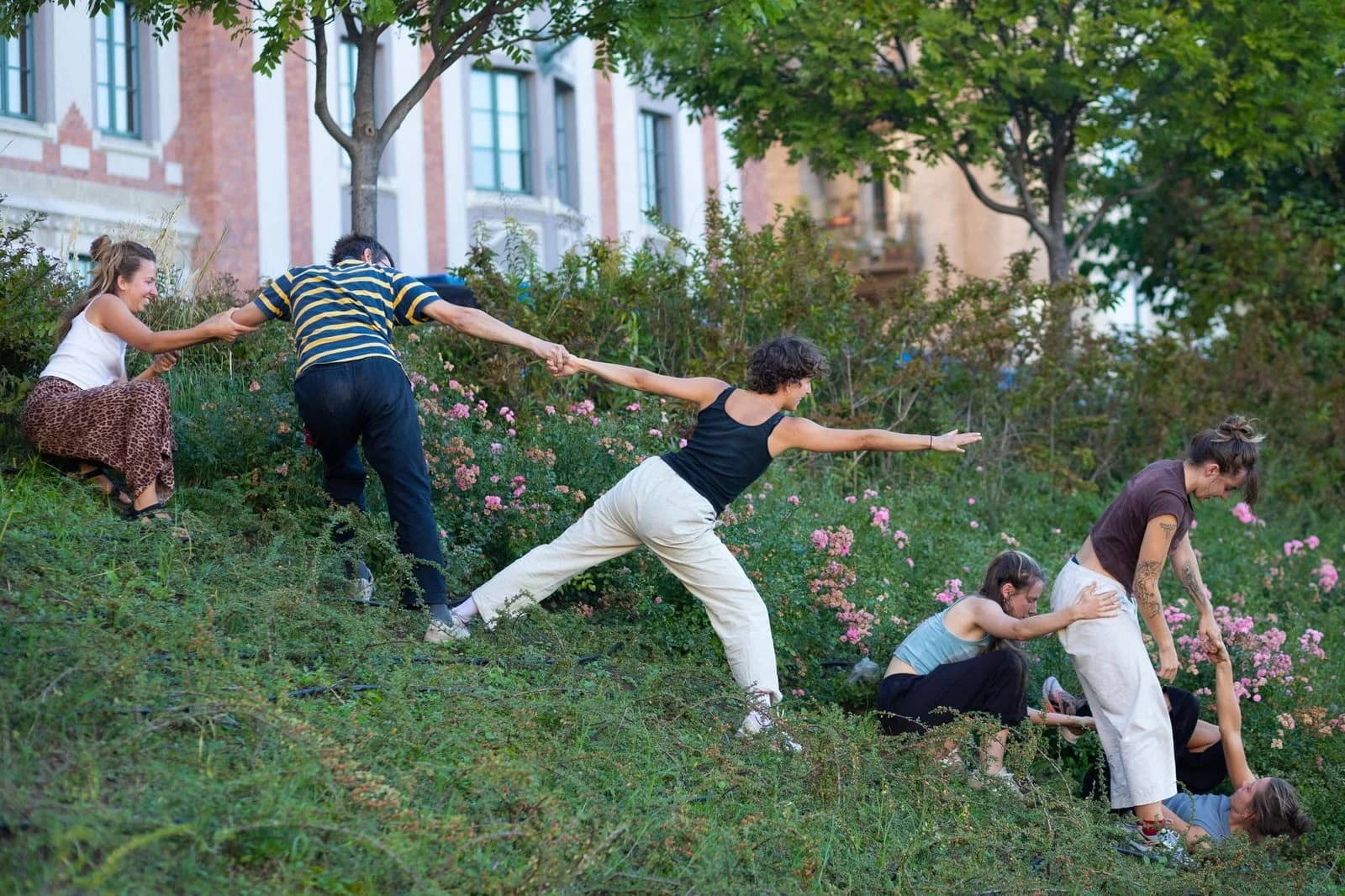
At the heart of our work is a simple yet radical claim: movement belongs to everyone.
In many contexts movement is still thought of in narrow categories — tied to sport, training, dance education or professional performance. These offer important experiences, but often centre on achievement, technical skill or aesthetic conformity. For many, movement thus becomes something to watch rather than to live.
Kaland looks for space beyond these frames.
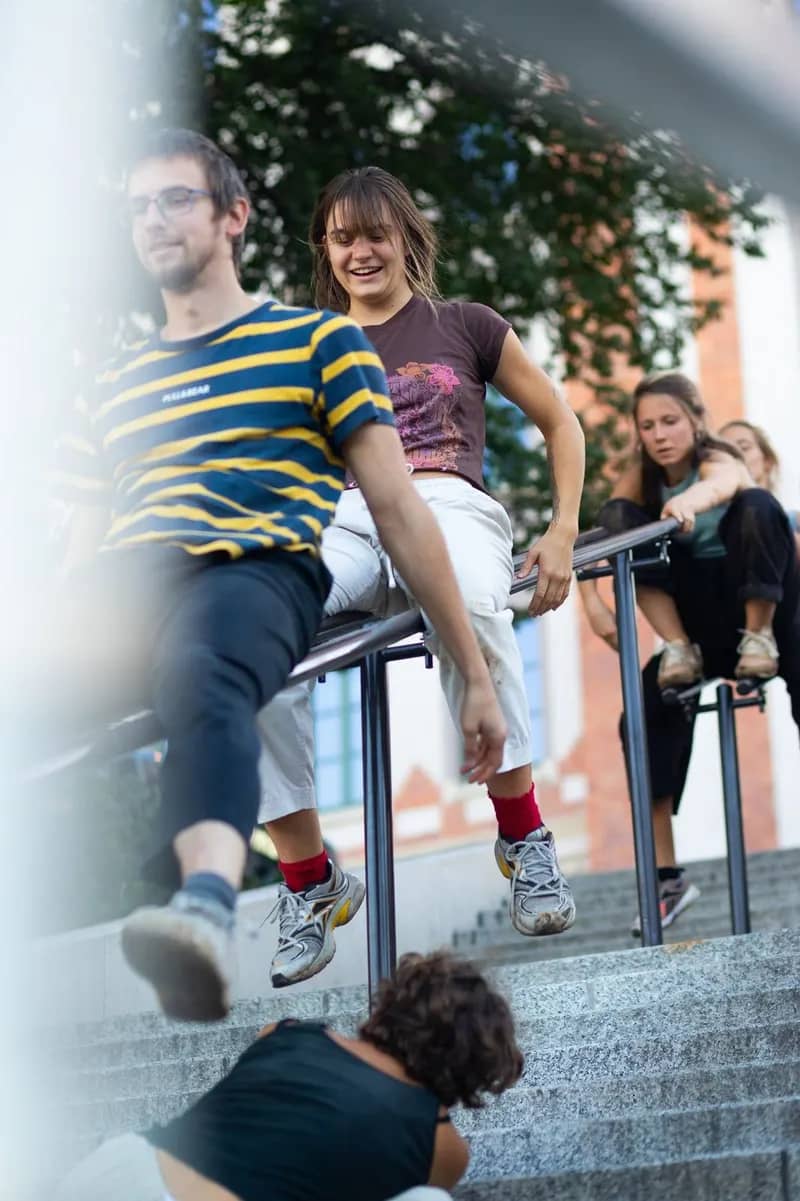
What happens when movement is not organised by progress or perfection? When there is no "correct" move? When play becomes an artistic method? When strangers create a shared physical situation? When a space, a stairwell or a public square suddenly becomes the site of a shared imagination?
For us, movement is the language of discovery — it asks questions rather than giving answers.
Play as an artistic method
Play is one of the central methodologies of our work. We do not treat it as childish or unserious, but as a powerful form of artistic research: it creates a situation in which one can take risks, experiment, get things wrong, and in which possibilities open up that could not have been planned in advance.
A simple rule can give birth to endless possibilities. A shared task can create unexpected connections. A constraint can spark creativity.
Participation and shared authorship
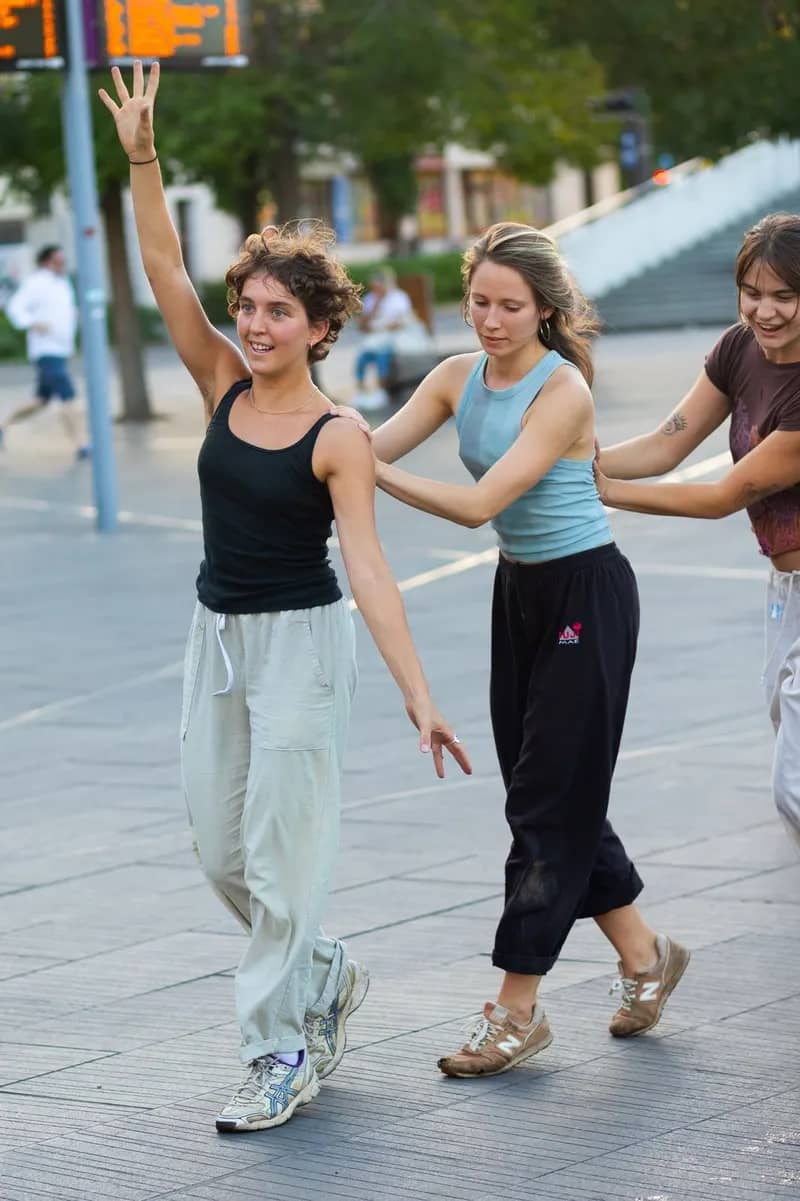
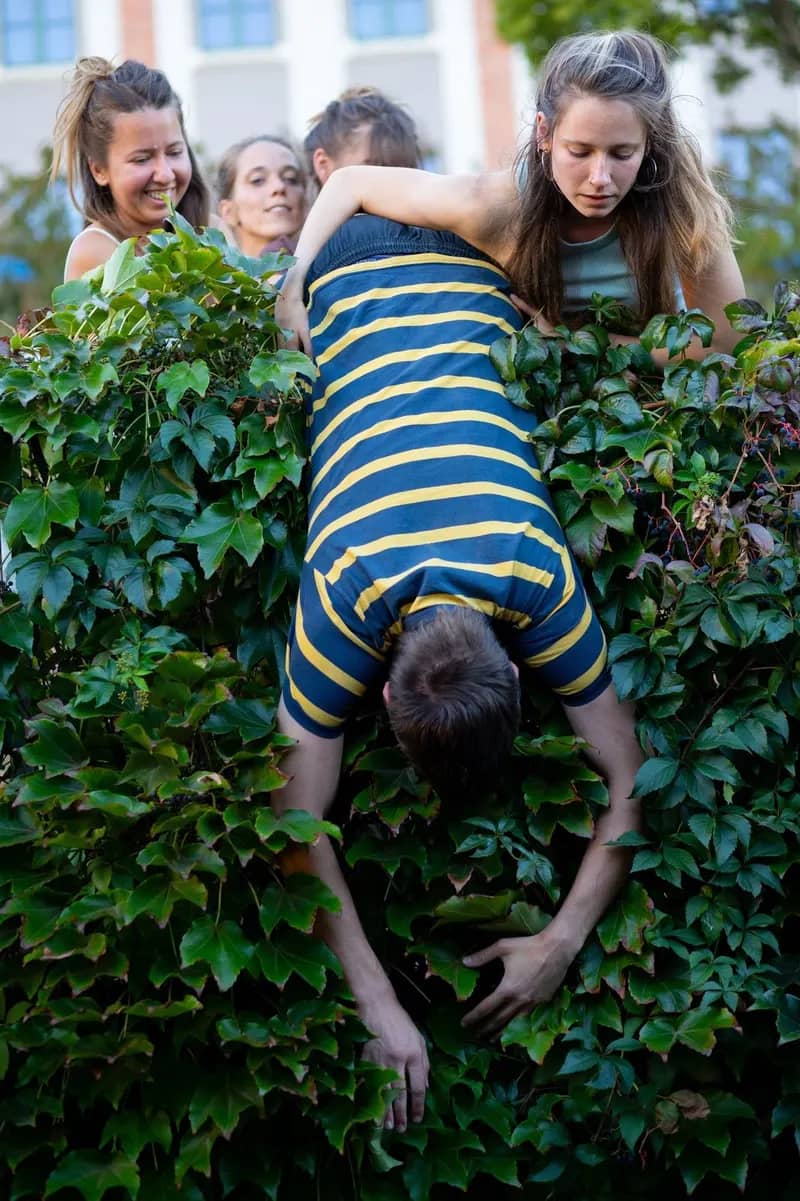
For us, participation is not merely making the audience more active — it is an artistic principle. Those who join a Kaland situation do not just follow instructions: their responses, decisions and relationships shape what the work becomes.
This means the outcome cannot be fully planned in advance — and it is precisely this uncertainty we find valuable. The role of the facilitator or artist is not always to present a finished idea, but to design frames, scores and situations in which something new can emerge.
Public space as artistic material
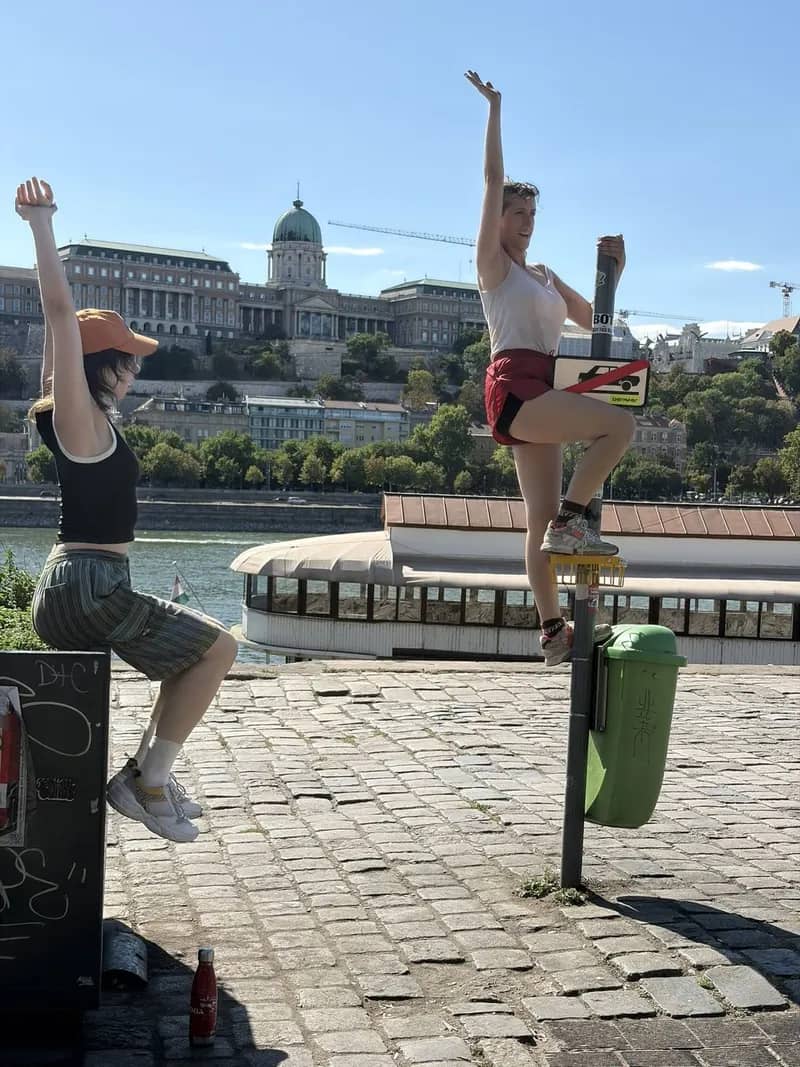
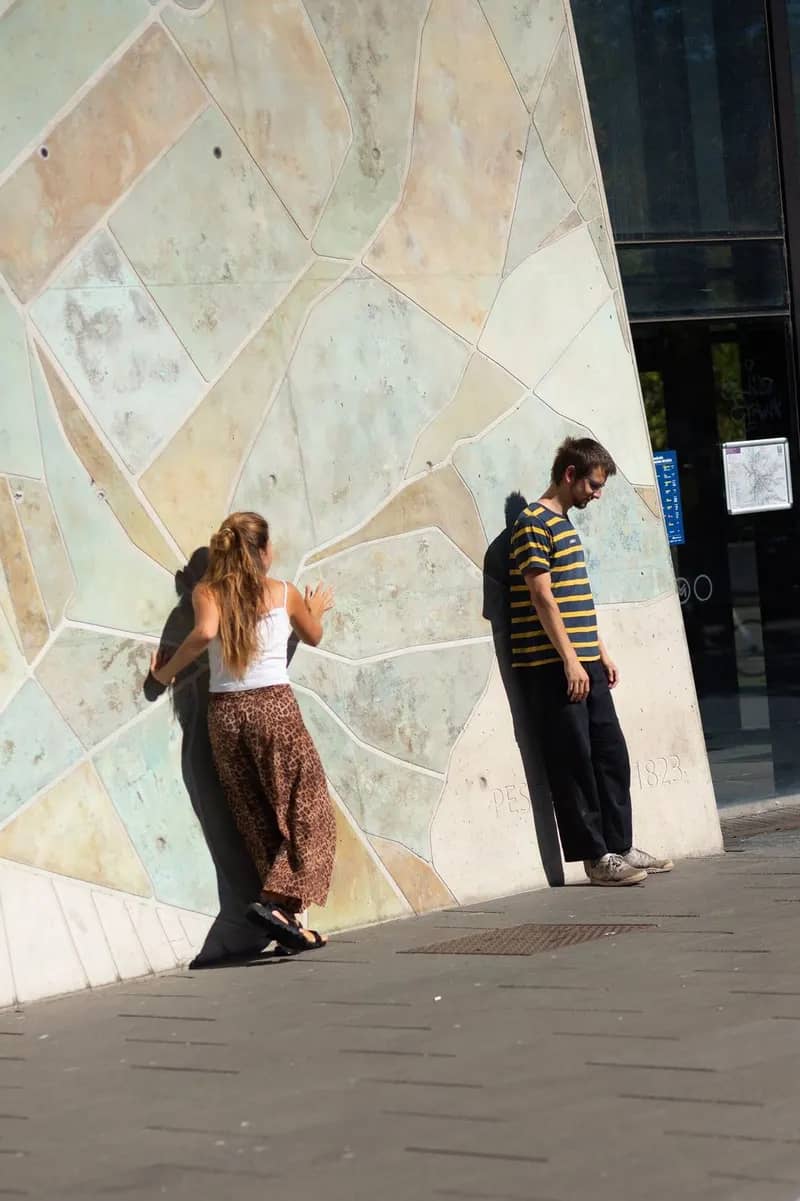
Public space is one of Kaland's key fields of exploration. We are excited by how a familiar street, square, park or stairwell can be transformed through movement — how a place we used only functionally can become fertile ground for improvisation or a shared choreography.
When we move differently in a space, we also begin to perceive it differently.
The forms we work in
- performance and live art
- workshop + performance
- involving participants, non-professionals or the audience
- movement-based creative processes
- site-specific projects
- festival and cultural programmes
- preparing performers or participants
Who is it for?
Kaland Art is primarily for:
- festivals and cultural institutions looking for participatory or movement-based programmes,
- curators and organisers thinking about site-specific or audience-involving projects,
- fellow artists with whom a shared performance or experimental process can emerge,
- communities, schools and civil groups who want to join a creative process through movement and play.
We are also open to collaborations that start from an idea that is not yet fully formed — we are happy to think together about which form would best serve the given place, community or theme.
What people ask.
Can non-professionals or the audience be involved?
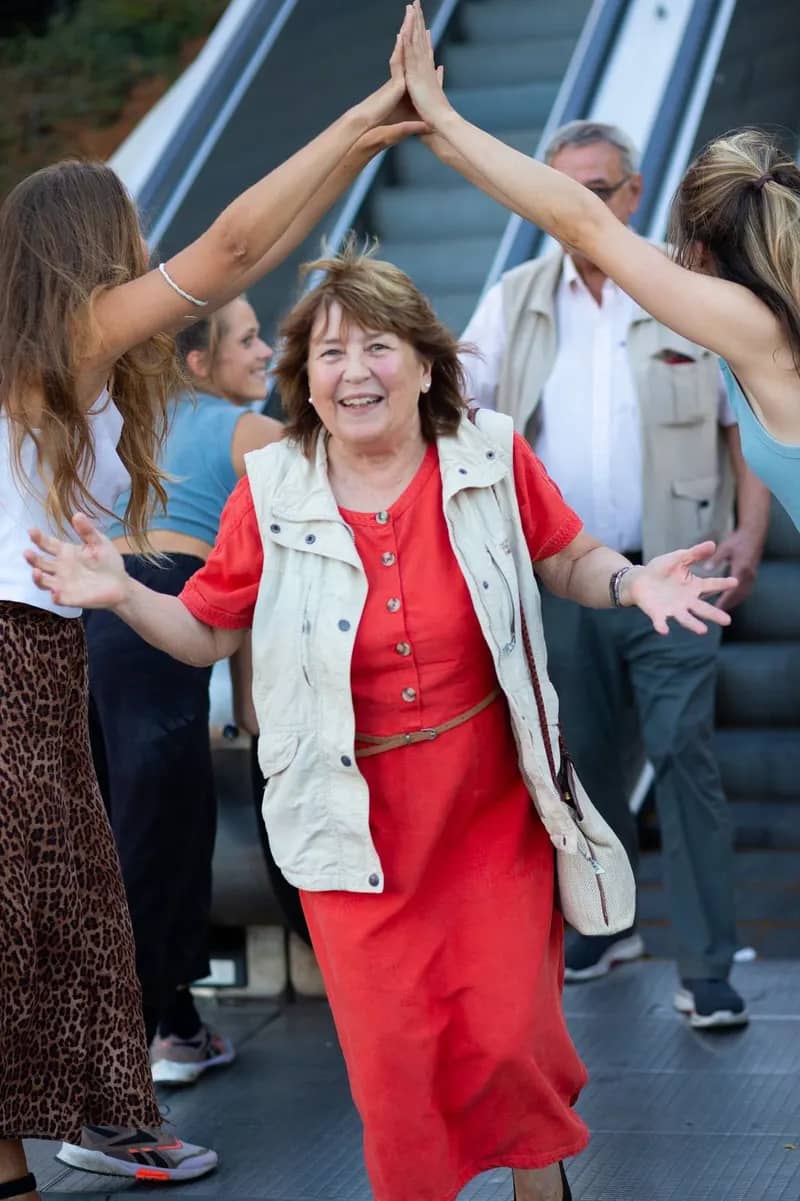
Yes. Participation is one of Kaland's most important artistic tools — in many of our projects participants become active co-creators rather than mere observers.
Can a workshop and a performance be combined?
Yes. A workshop can be an integral part of preparing or creating a performance.
Can you prepare participants or performers for a show?
Yes. Besides leading movement and creative processes, we also prepare participants and performers.
Do you only work with dancers?
No. We are specifically interested in what happens when people of different backgrounds, even without movement training, meet contemporary art.
Do I need prior dance training or experience?
No. Our methods are built precisely so that they are accessible to people without prior movement or performance experience.
How does a joint project start?
Write to us via the Contact page: tell us about the venue, the community or the idea — from there we think together about which form fits best.
Request a quote
for this Kaland.
Tell us who it's for, where and when — we reply within 48 hours with a concrete proposal.